
(802) 785-3173
Vermont Talk Therapy Blog
Upper Valley Counseling for Older Adults
Growing older brings a unique set of changes that can be difficult to process alone. Retirement reshapes daily routines. Bodies don’t move the way they used to. Loved ones pass away, family dynamics shift, and social circles can shrink. These experiences are a part of aging for many elders, but that doesn’t make them any easier to sit with.
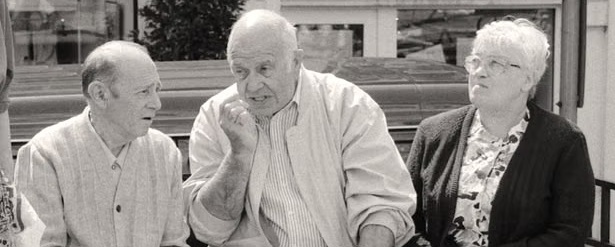
For older adults in the Upper Valley, counseling offers a space to work through these transitions with the guidance of a trained professional. Therapy isn’t just for crisis moments. It can also be a proactive tool for maintaining mental health, processing change, and building resilience during one of life’s most transformative chapters.
This post looks at five common challenges older adults face and how counseling can help address each one.
Retirement is often framed as a reward for decades of hard work, but the reality is more complicated. Leaving a career can mean losing a sense of purpose, structure, and identity that a job once provided. Many retirees describe feeling adrift in the first few months, unsure of how to fill their days or who they are outside of their professional role.
Counseling can help retirees reframe this transition as an opportunity rather than a loss. A therapist can work with clients to identify new sources of meaning, whether that’s volunteering, mentoring, pursuing a hobby, or simply establishing a new daily rhythm. Talking through the emotional weight of this shift, rather than dismissing it, often makes the adjustment period shorter and less isolating.
Aging often comes with physical changes: reduced mobility, chronic pain, new diagnoses, or the loss of independence. These changes can trigger frustration, anxiety, and even depression, particularly when they affect a person’s ability to do things they once took for granted.
The emotional response to physical decline is just as real as the physical symptoms themselves. Older adults may grieve their former abilities or fear what future health challenges might bring. Counseling provides tools for coping with these feelings, from cognitive-behavioral strategies that address anxious thought patterns to simple, validating conversations that acknowledge how hard this adjustment can be. A therapist can also help clients communicate their needs more clearly to family members and healthcare providers.
Grief and Loss
Losing a spouse, sibling, or close friend is one of the most painful aspects of growing older. As people age, they may experience multiple losses in a relatively short period of time, sometimes without adequate space to grieve one before another occurs. This kind of compounded grief can be overwhelming and isolating.
Grief counseling gives older adults a dedicated space to process loss without judgment or a timeline. A therapist trained in grief work can help clients understand that grief isn’t linear. It can help normalize the waves of sadness, anger, or even relief that often accompany loss. For those who feel they have no one left who truly understands what they’re going through, counseling can offer connection and validation during an otherwise lonely experience.
Family dynamics naturally shift as people age. Adult children may take on caregiving responsibilities, parents may need to rely more heavily on their kids, and long-established family roles can feel like they’re being turned upside down. These transitions, while often necessary, can create tension, guilt, or a sense of lost autonomy.
Counseling can help older adults and their families navigate these changes with more clarity and less conflict. A therapist can facilitate conversations about boundaries, expectations, and independence, helping older adults feel heard rather than sidelined. For families struggling with caregiving stress or communication breakdowns, family counseling sessions can also be a valuable option to rebuild understanding on all sides.
Isolation is one of the most common, and most overlooked, challenges of aging. Retirement removes daily workplace interactions. Physical limitations can make it harder to leave the house or attend social events. Losing friends and family members shrinks a person’s support network over time. Left unaddressed, isolation can contribute to depression, anxiety, and a decline in overall well-being.
Counseling can’t replace a robust social network, but it can be an important first step in rebuilding one. Therapists can help clients identify the root causes of their isolation, whether it’s fear, grief, mobility issues, or something else, and develop a realistic plan to reconnect. This might involve joining community groups, reaching out to old friends, or simply having a consistent, supportive relationship with a therapist to look forward to each week.
Taking the First Step
Aging brings real challenges, but no one has to face them alone. Whether it’s adjusting to retirement, coping with a health diagnosis, grieving a loved one, navigating a new family dynamic, or working through feelings of isolation, counseling offers a steady, supportive space to process these transitions.
If you or an older adult in your life is struggling with any of these challenges, reaching out to a counselor who understands the unique needs of aging adults in the Upper Valley can be a meaningful first step. Support is available, and it’s never too late to ask for it.